
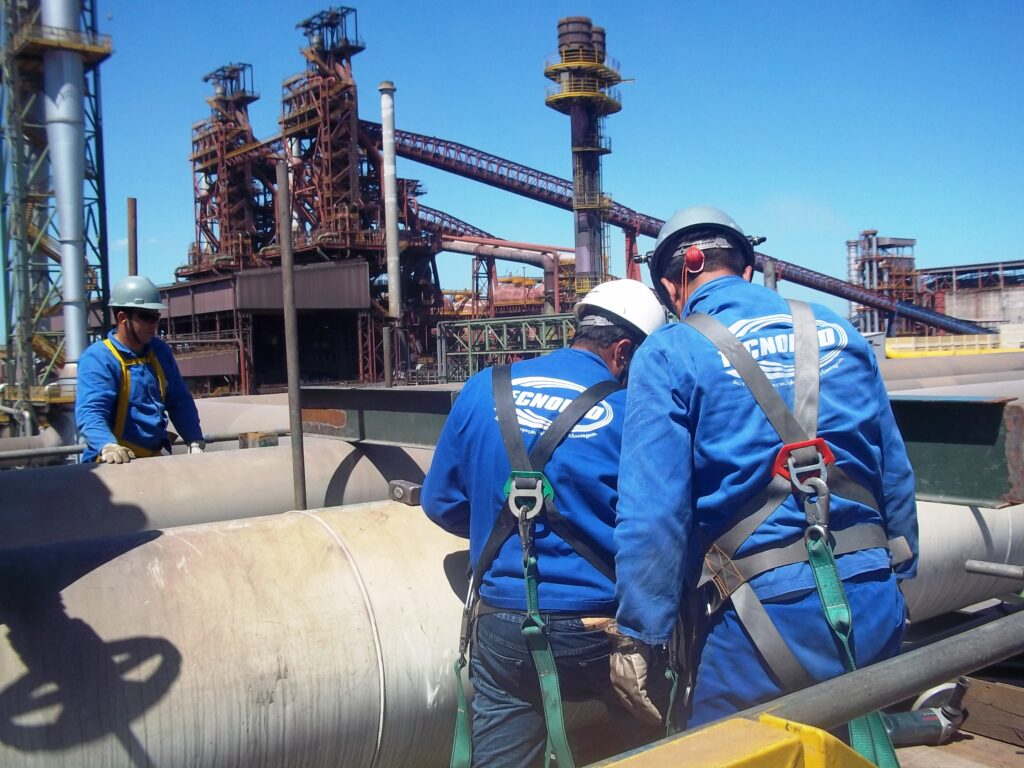
Efficient maintenance of industrial equipment is essential to ensure operational continuity, reduce costs and extend asset service life. This practical guide offers the essential steps for an effective maintenance process, from regular inspection to the implementation of new technologies.
1. Preventive Maintenance Planning
Preventive maintenance is the heart of an efficient strategy. Plan periodic inspections and overhauls based on the manufacturer’s specifications and the criticality of the equipment. A well-defined schedule helps avoid unexpected shutdowns and makes it possible to correct small defects before they become major problems.
2. Continuous and Predictive Monitoring
Use monitoring technologies, such as IoT sensors and data analysis systems, to track conditions such as temperature, vibration and part wear in real time. This enables predictive maintenance, identifying potential failures before they cause damage, and minimizes downtime.
3. Team Qualification and Training
Well-trained teams are essential for safe and accurate maintenance. Invest in the qualification of your staff and in specific knowledge of each piece of equipment. The team’s expertise contributes to faster diagnoses and more suitable solutions.
4. Spare Parts Inventory Management
Keeping an organized and up-to-date inventory of spare parts is crucial to avoid maintenance delays. Identify the most critical parts and keep them available to reduce response time in the event of a failure or replacement.
5. Documentation and Records
Record every intervention, part replacement, adjustment or analysis carried out on the equipment. This history makes it possible to track performance, plan future actions and assess the effectiveness of past maintenance, supporting well-founded decision-making.
6. Use of Maintenance Tools and Software
Digital platforms, such as computerized maintenance management systems (CMMS), are excellent for organizing and automating tasks. They provide reports, histories and alerts, supporting the execution of a comprehensive and efficient maintenance plan.
7. Focus on Safety
Safety is a priority in any maintenance intervention. Ensure that all procedures comply with safety standards and that the team uses the appropriate personal protective equipment (PPE). This prevents accidents and protects the workers involved.
Conclusion
Efficient maintenance of industrial equipment not only reduces costs and improves performance, but also increases the safety and reliability of operations. Following these practices helps keep equipment fully functional and maximize its service life, contributing to the productivity and sustainability of industry.