
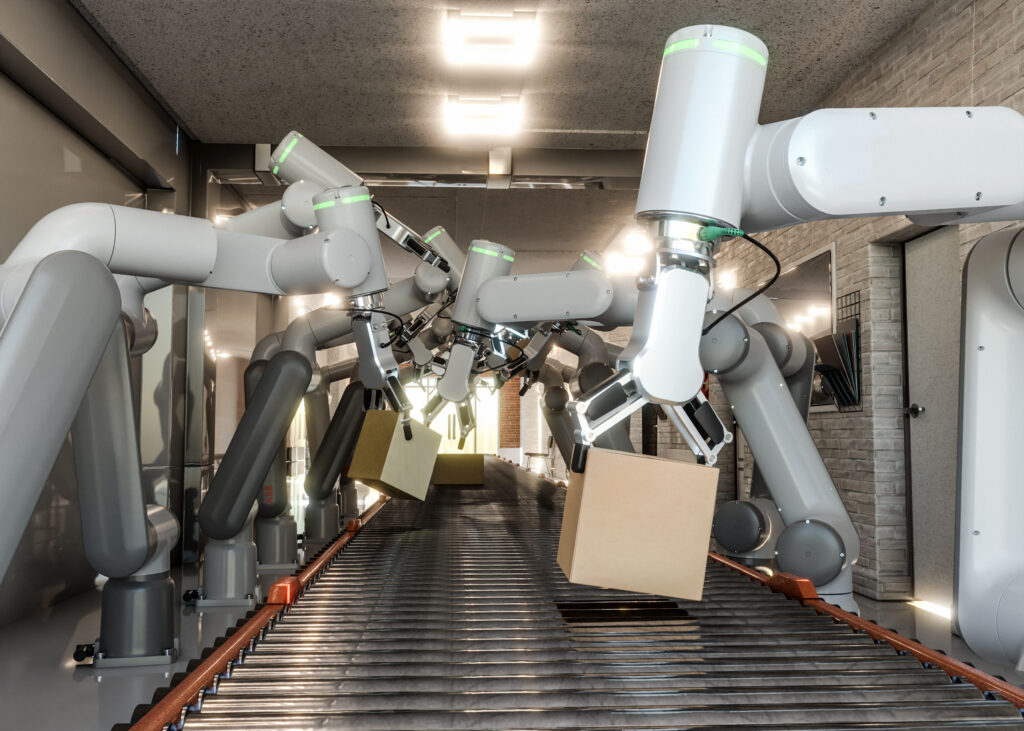
Technological evolution is transforming industry at an accelerated pace, and artificial intelligence (AI) is at the center of this revolution. Industry 4.0, marked by advanced automation and intensive use of data, relies on AI as an essential tool to optimize processes, reduce costs and increase operational efficiency.
But how is artificial intelligence being applied in industrial production? What are the real benefits and the challenges of implementing it? In this article, we explore the impact of AI on the sector and how it is shaping the future of manufacturing.
The Role of Artificial Intelligence in Industrial Production
AI in the industrial sector is not limited to automation. It involves the use of advanced algorithms, machine learning and the analysis of large volumes of data to optimize every stage of the production chain. These technologies make it possible to:
-
Predictive maintenance: Sensors installed on equipment capture real-time data to predict failures before they occur, reducing the cost of emergency repairs.
-
Improved quality control: Smart cameras and sensors identify product defects with greater precision than human inspections.
-
Logistics optimization: Algorithms analyze inventory and transport routes to reduce waste and improve distribution.
-
Mass customization: AI quickly adjusts processes to meet customers’ customized demands without compromising productivity.
Benefits of AI in Industry 4.0
Incorporating artificial intelligence into industrial production brings several advantages, such as:
✔ Cost Reduction: Intelligent automation eliminates waste, reduces human error and optimizes the use of resources.
✔ Increased Efficiency: Continuous monitoring allows real-time adjustments, ensuring higher productivity.
✔ Data-Driven Decisions: AI analyzes a large volume of information to support strategic and operational decisions.
✔ Workplace Safety: Smart sensors monitor industrial environment conditions, preventing risks to the team.
Challenges of Implementing AI
Although the benefits are clear, implementing AI still faces challenges such as:
-
High initial investment, especially for small companies.
-
Need for training so that employees can interpret and operate the new technologies.
-
Data security, requiring robust protocols to protect sensitive information.
However, with strategic planning and suitable technology partnerships, these barriers can be overcome, allowing AI to drive the digital transformation of industry even further.
Conclusion
Artificial intelligence is no longer a future trend – it is already revolutionizing industrial production today. Companies that adopt these technologies are ahead of the competition, achieving greater efficiency, lower costs and production flexibility.
If your industry is seeking innovation, AI is an essential path to operational excellence and market competitiveness.