
Industrial inspection is essential to ensure the safety and efficiency of equipment and systems. Today, advanced technologies are revolutionizing this process, enabling precise failure detection and optimized preventive maintenance.
1. Non-Destructive Testing (NDT)
NDT methods, such as ultrasonic and magnetic particle testing, make it possible to identify internal flaws without compromising the structure of the equipment. Ultrasonic testing, for example, uses high-frequency waves to detect cracks and measure thickness, ensuring an accurate and fast inspection.
2. Drones and Robots
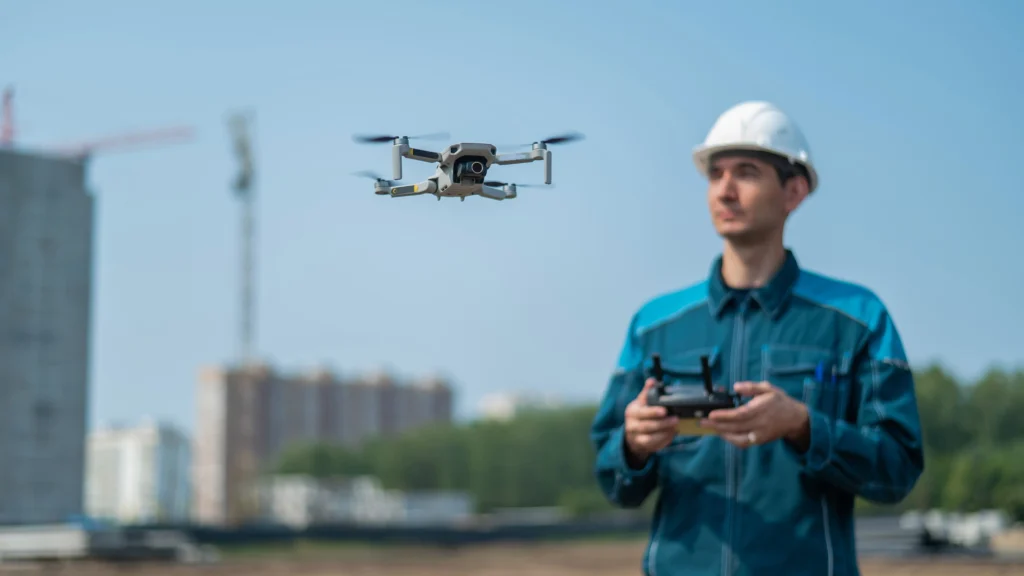
Drones and robots are ideal for inspections in hard-to-reach places, such as piping and high-altitude areas. Equipped with cameras and sensors, these devices capture detailed images and detect anomalies without the need for direct human intervention, increasing safety and reducing costs.
3. IoT Sensors and Continuous Monitoring
With sensors connected through the Internet of Things (IoT), it is possible to monitor equipment in real time, tracking parameters such as temperature, pressure and vibration. This data generates automatic alerts in the event of anomalies, enabling quick, planned interventions to prevent serious failures.
4. Artificial Intelligence and Big Data
The analysis of large volumes of data (Big Data) combined with Artificial Intelligence (AI) makes it possible to predict failures and tailor preventive maintenance. Algorithms identify patterns that indicate wear, supporting more accurate decision-making.
5. Digital Radiography and Computed Tomography
These advanced imaging techniques make it possible to view the interior of materials with high precision. Digital radiography and tomography are used to detect cracks and inclusions that could compromise the integrity of equipment.
Conclusion
Adopting these industrial inspection technologies raises the standards of safety, efficiency and reliability in industrial operations. With constant innovation, industrial inspection is becoming increasingly accurate and less invasive, ensuring the longevity of equipment and the safety of workers.